
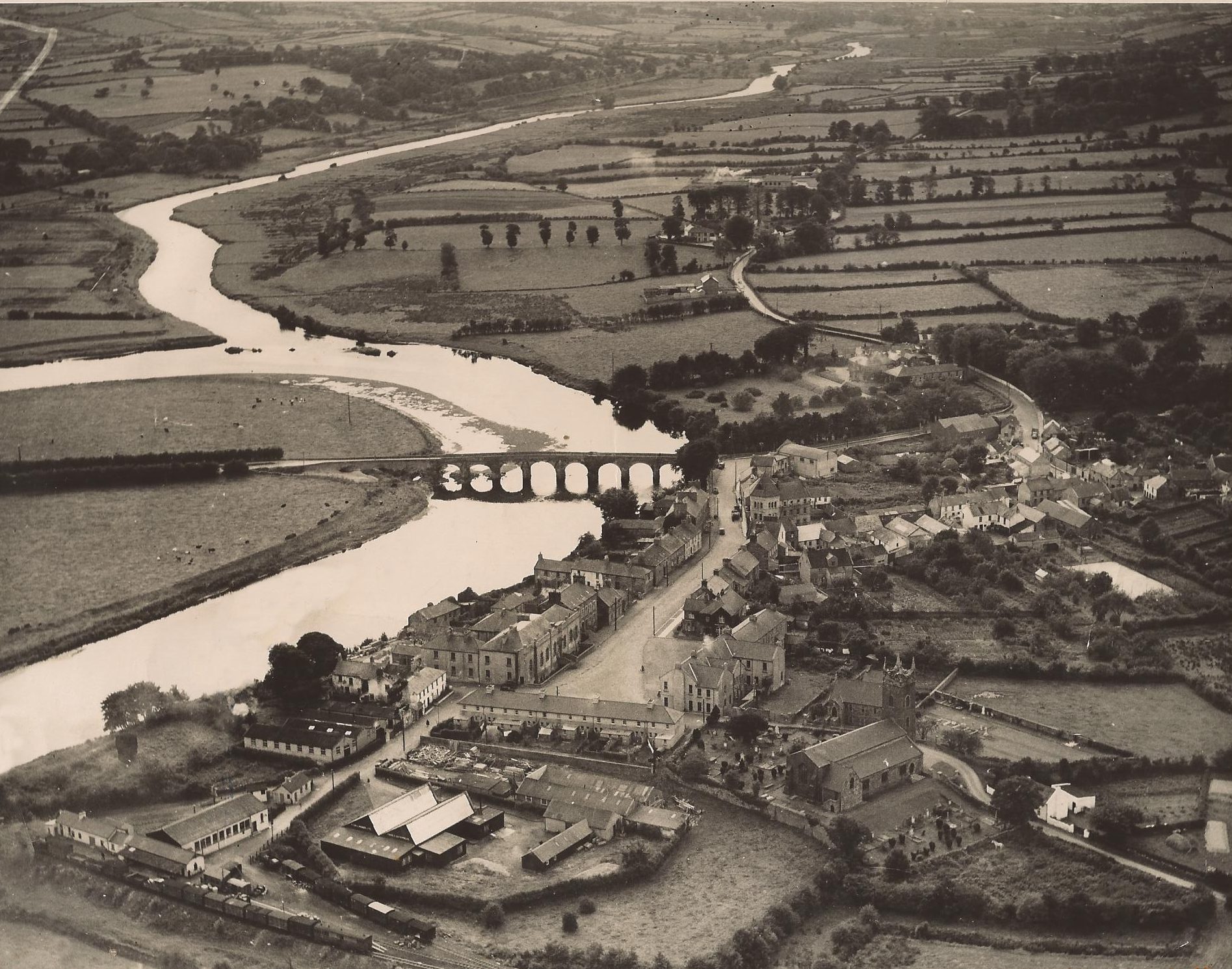
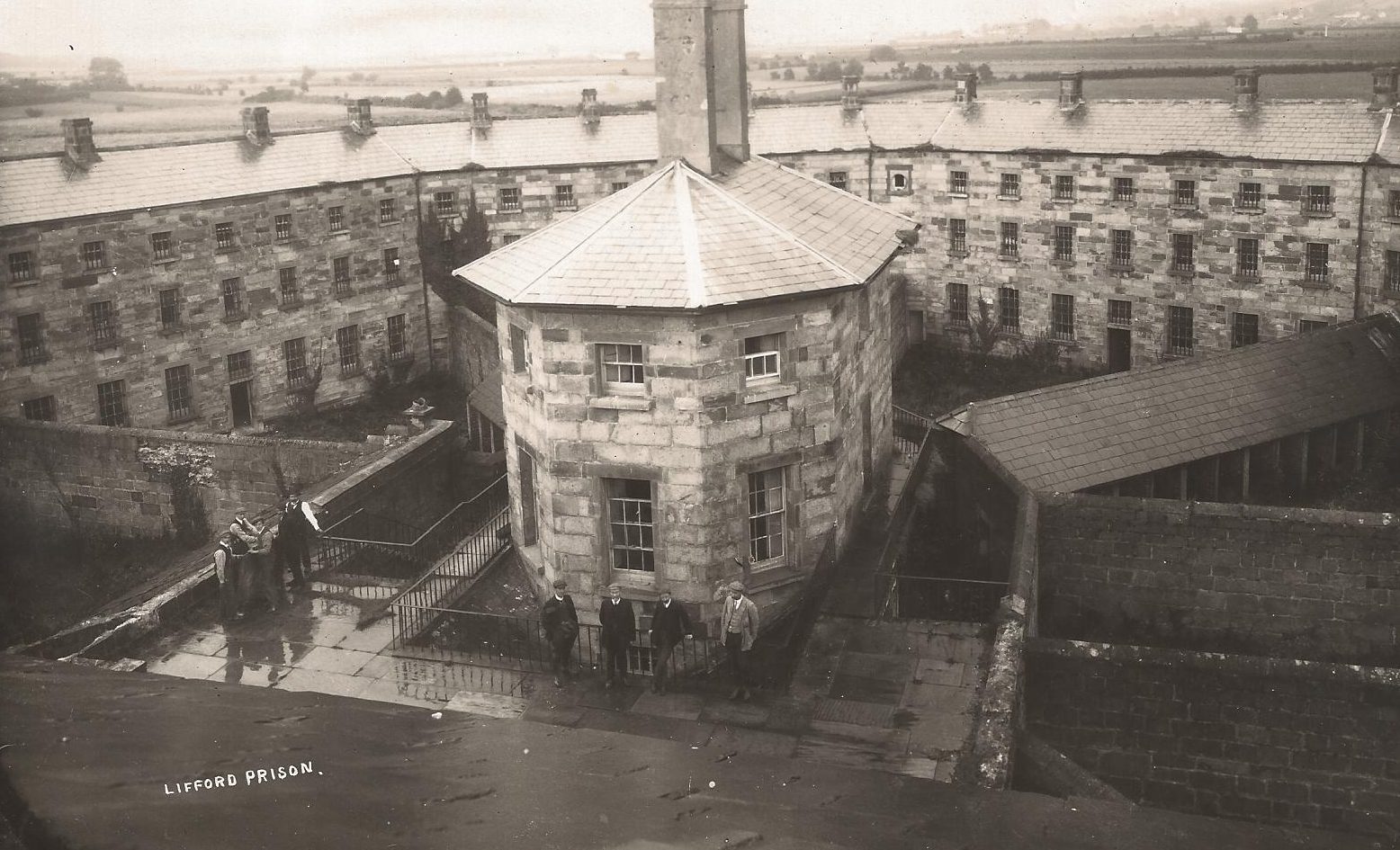
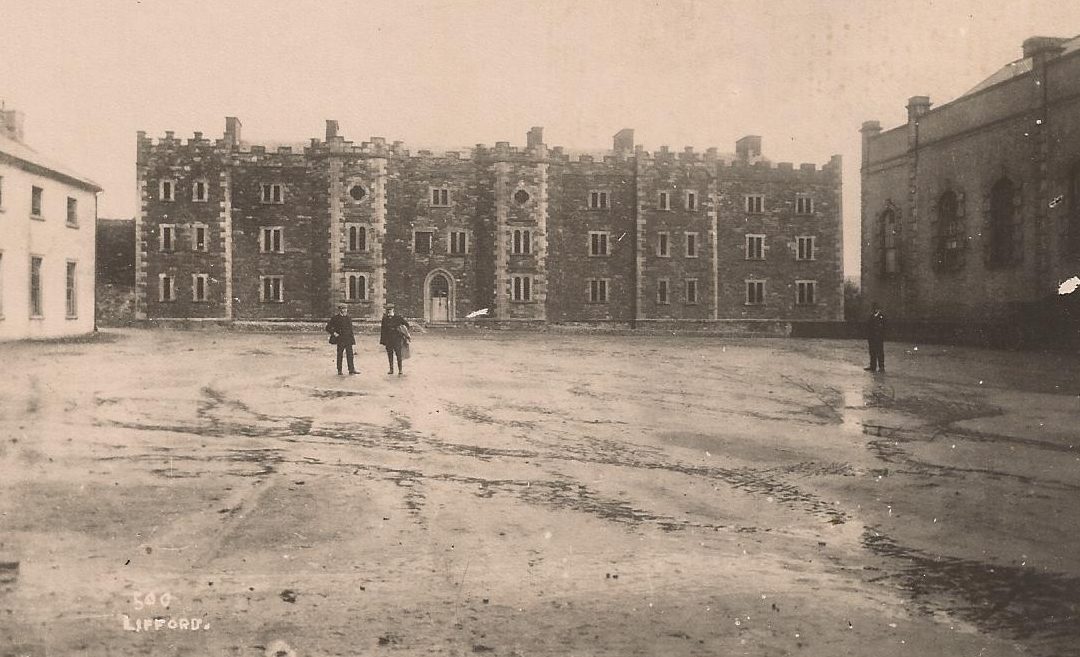
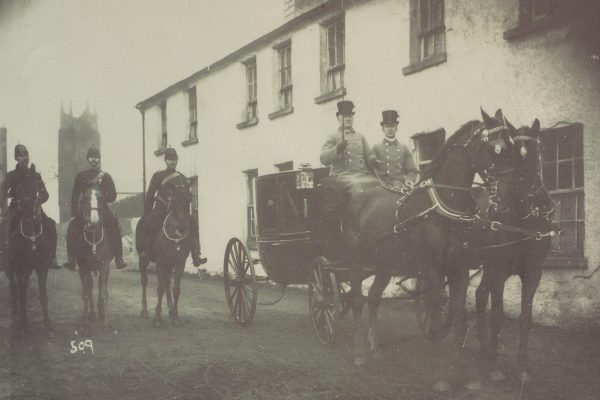
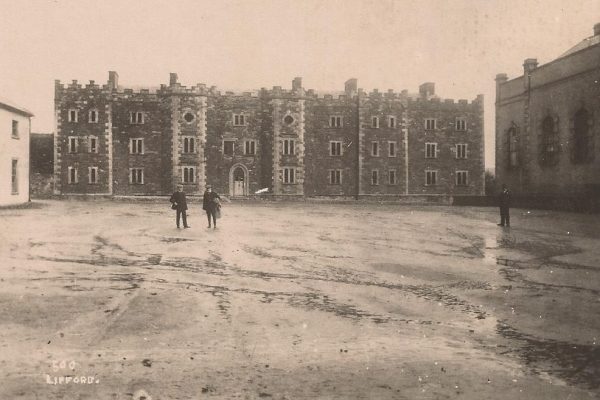
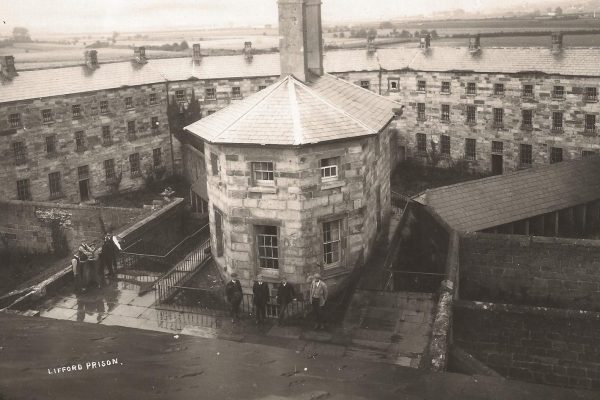
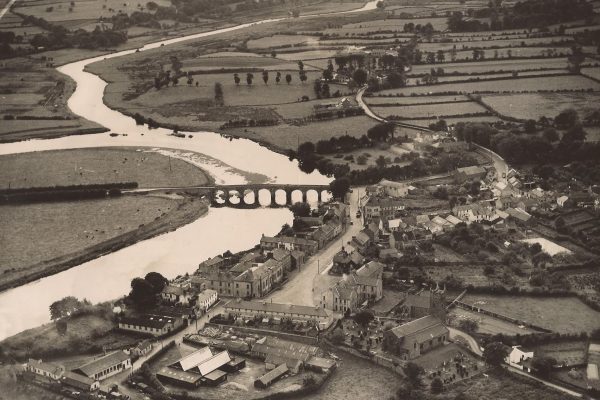
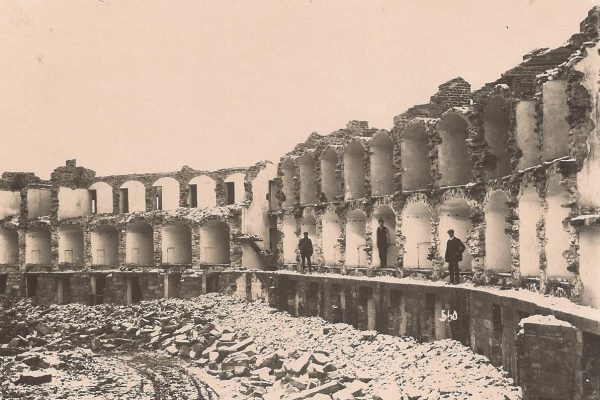
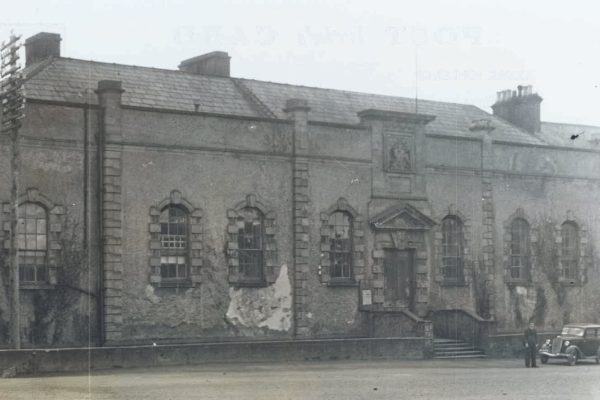
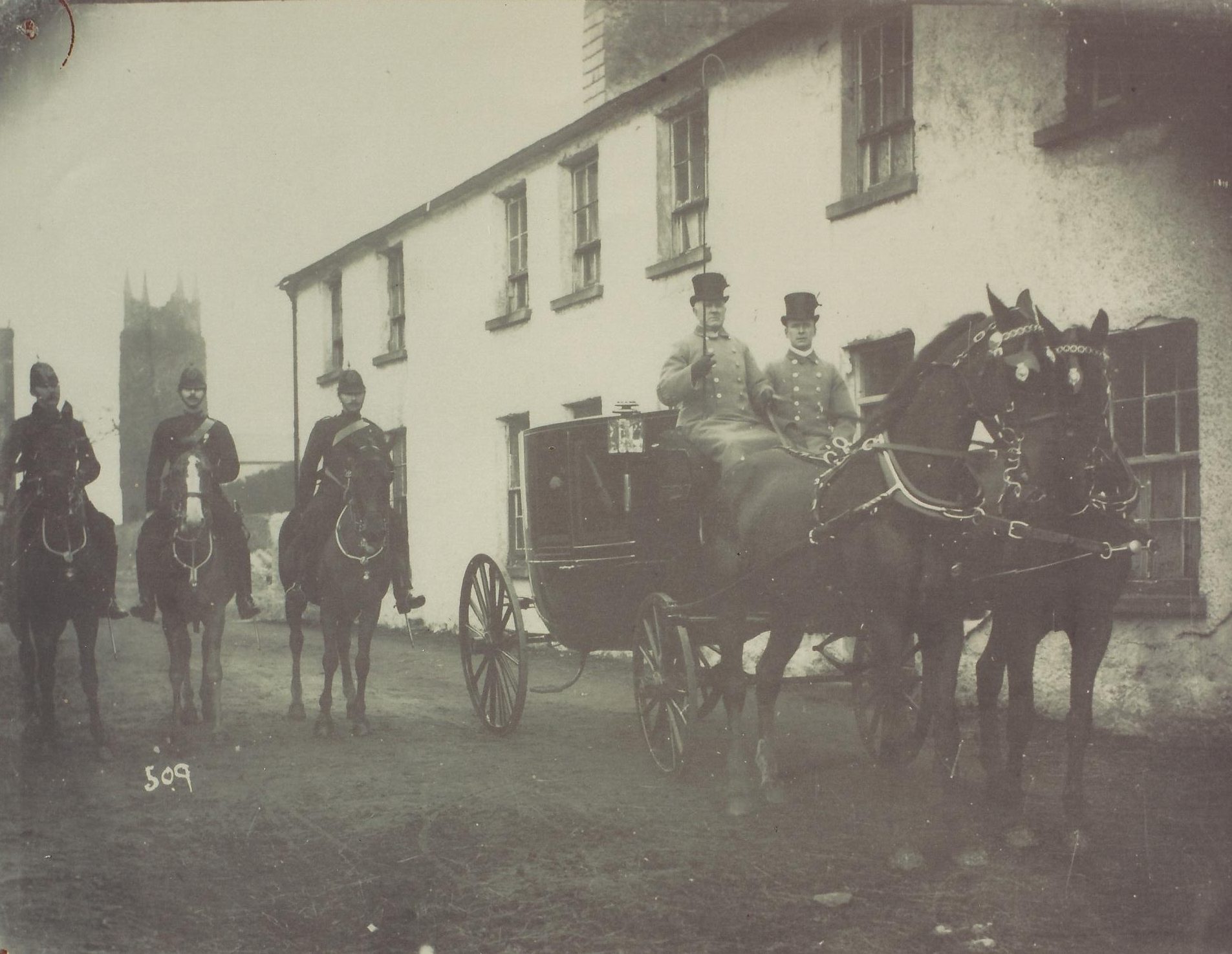
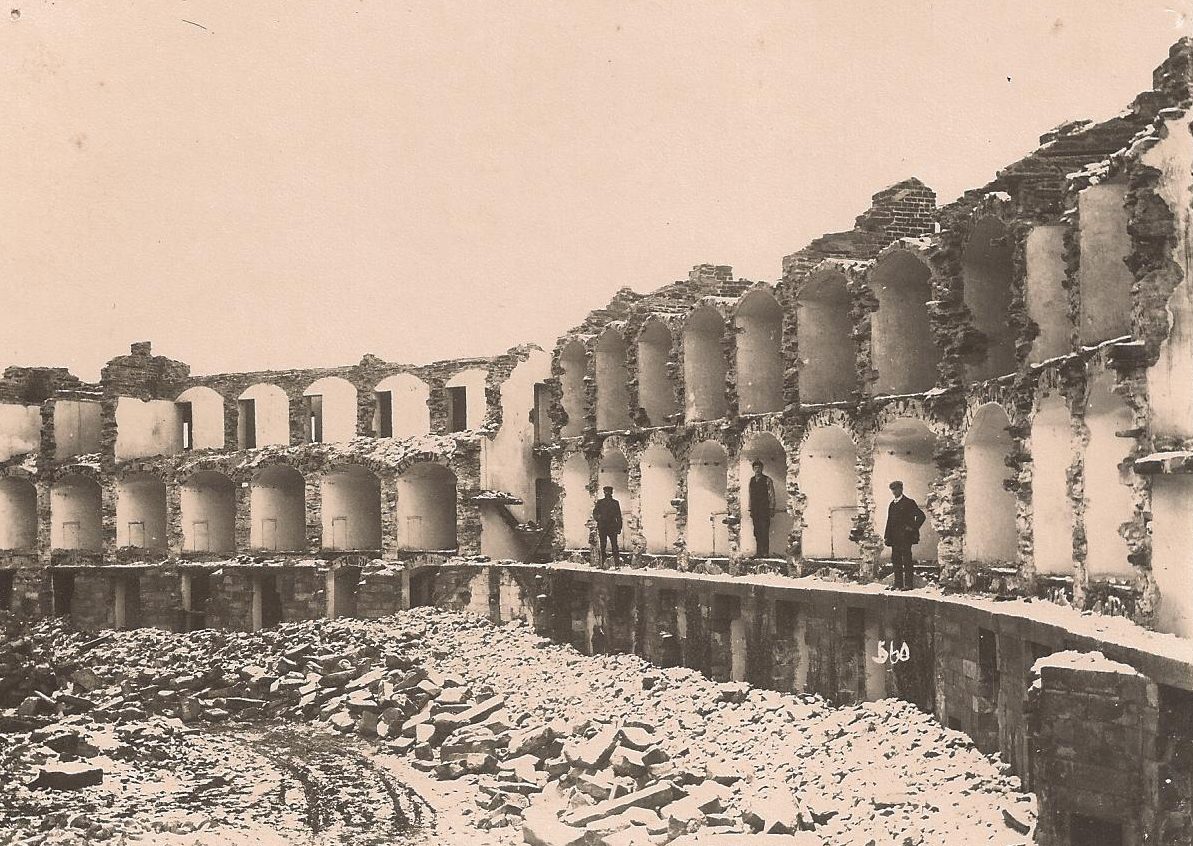
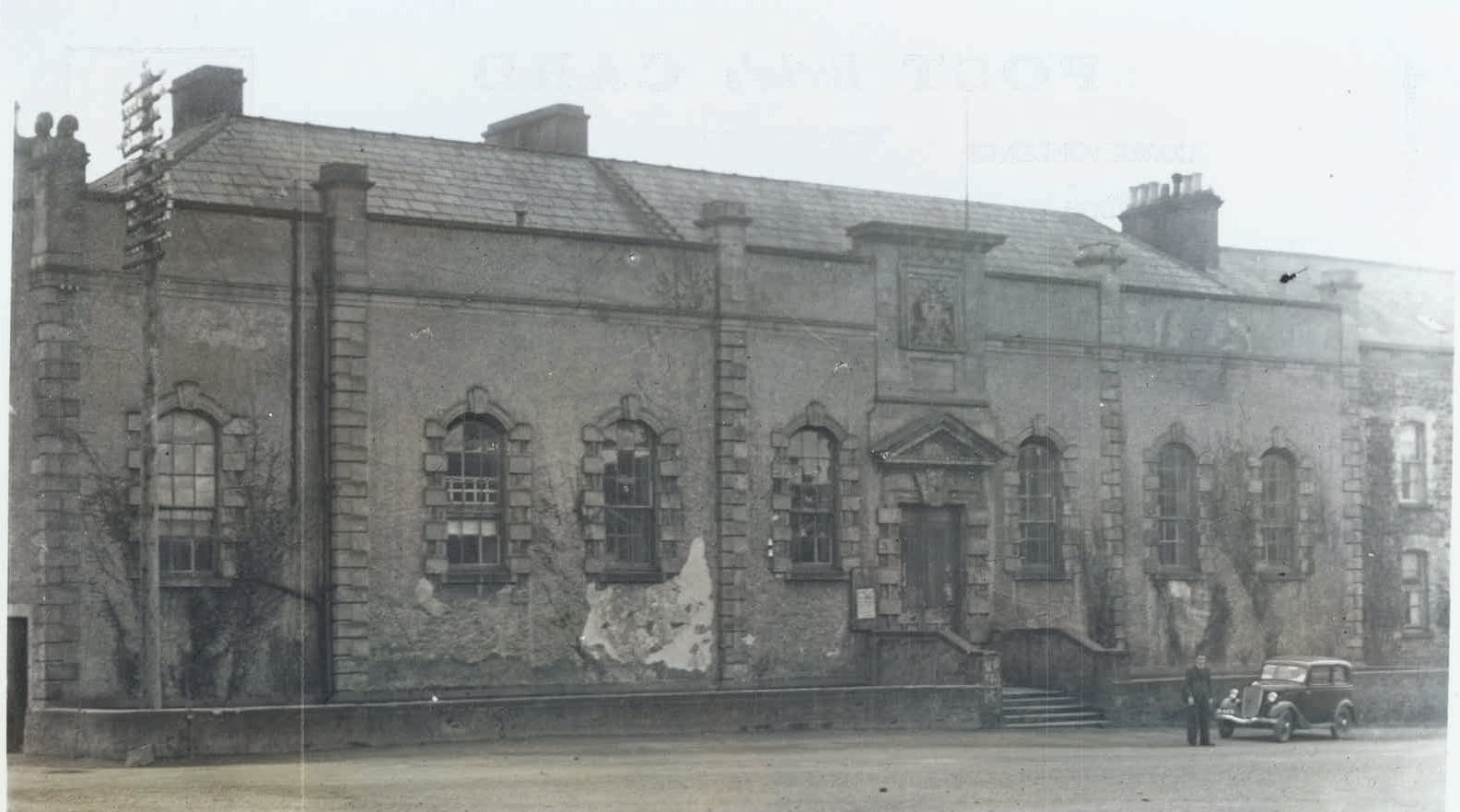
Lifford Old Courthouse stands in the heart of Lifford, County Donegal, and has long been one of the region’s most significant historic buildings. Designed by the local architect Michael Priestley and completed in 1746, it was built so that a circuit assizes judge could finally sit in the county. Beneath the Courthouse lay The County Gaol, a cramped basement space used to confine debtors, felons and, in later years, those described at the time as ‘lunatics’. This original gaol remained in use until a larger jail was constructed beside the Courthouse in 1793. That new building handled increasing numbers of prisoners until its demolition in 1907. The Courthouse itself continued to host trials until 1938.
History
The County Gaol
Courthouse
After a period of decline, the building was partially restored in the late 1980s and later fully renovated, reopening in 1994 as an award-winning Heritage Centre.
When it first opened in the 18th century, the purpose-built courthouse gave the County Donegal Grand Jury a formal venue for criminal trials, known as the assizes. Previously, when Manor Courts handled most local cases, court sessions were held in whatever large building was available often a busy public house. One colourful tale recalls the day when fines collected during court were used to buy drinks for the entire jury.
Crime & Punishment
Transportation was one of the most common punishments handed down in Lifford, with people sent by ship to penal colonies overseas. Crimes that led to transportation ranged from “stealing 2 caps” to “stealing a handkerchief and blankets” or even “stealing 5 chickens and 2 hens”. Public executions also drew huge attention. A hanging in 1831 is said to have attracted a crowd of around 12,000 men, women and children.
The gallows beside the newer gaol hosted the notorious ‘half-hanging’ of John ‘Half-Hung’ MacNaghten in 1761, one of the earliest recorded public hangings at the Courthouse. At that time, the death penalty could be given not only for murder but also for offences such as injuring livestock or stealing horses. The last public execution in Lifford is believed to have taken place in 1847.
Additional Punishment
When transportation was gradually replaced by prison sentences, hard labour became a common additional form of punishment in Lifford. Like many other Irish prisons, inmates here were expected to break stones for road building or grind bones for fertiliser. Another punishment, carried out in public view, was whipping, sometimes performed in the very towns where the offences had been committed.
Explore More Activities

Parties
Host your party in our historic courtroom or one of our spacious function rooms. We can help you celebrate in style.
Events
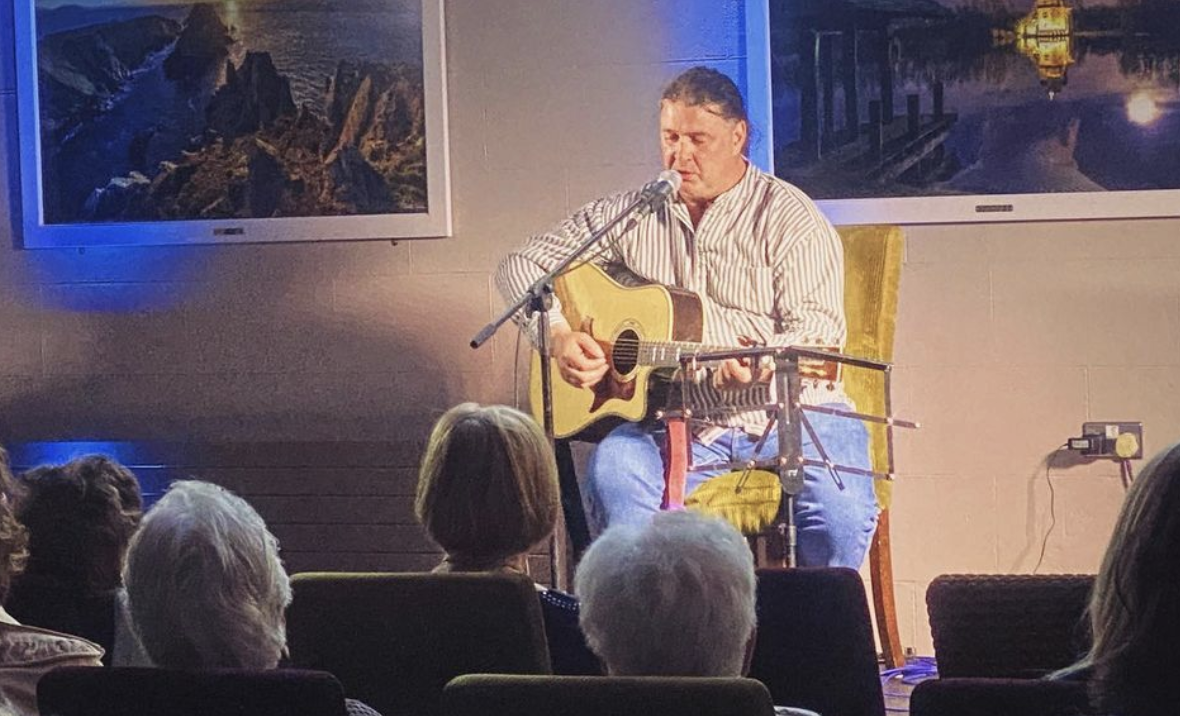
From music to comedy and more, explore our calendar of upcoming events at Lifford Old Courthouse.
Room Hire
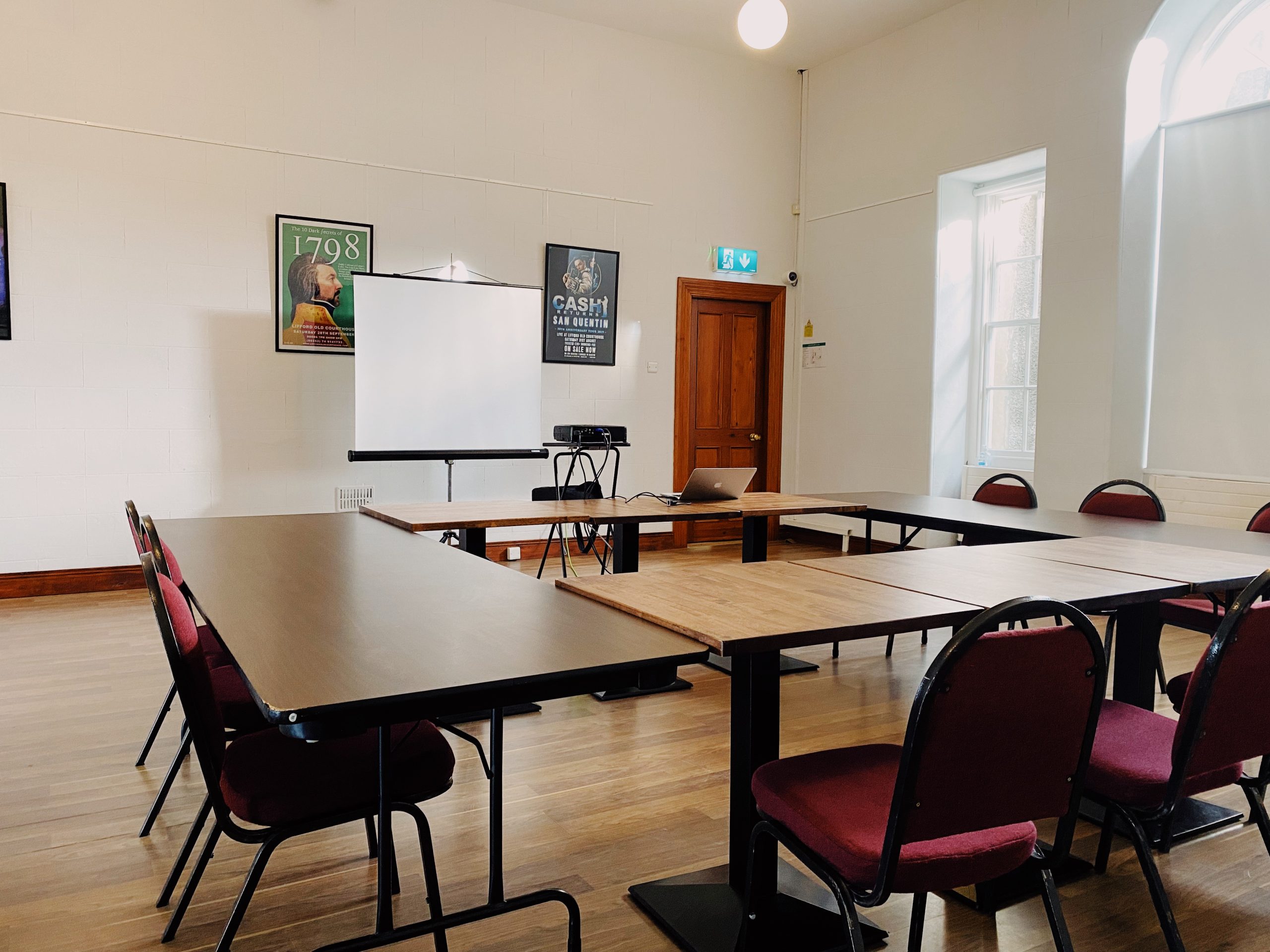
We have flexible function rooms available for conferences, meetings and workshops throughout the year.

Stay up to date
If you’d like to hear from us at Lifford Old Courthouse about upcoming events then sign up for our mailing list!
This project is supported by the Department of Rural and Community Development and Pobal through the Community Services Programme.
This project has been part-funded by the Department of Tourism, Culture, Arts, Gaeltacht, Sport and Media under Project Ireland 2040.
Tá an tionscadal seo páirt-mhaoinithe ag an Roinn Turasóireachta, Cultúir, Ealaíon, Gaeltachta, Spóirt agus Meán faoi Thionscadal Éireann 2040.
An Clár Feabhsúcháin 2025
Local Enhancement Programme 2025
Is í an Roinn Forbartha Tuaithe agus Pobail agus Gaeltachta a mhaoinigh an tionscadal seo faoin an Clár Feabhsúcháin 2025
This project has been funded by the Department of Rural and Community Development and the Gaeltacht under the Local Enhancement Programme 2025

We’re delighted to announce that Lifford Old Courthouse is one of the first social enterprises in Ireland to secure People & Planet First Verification.
What does this mean?
People & Planet First is a robust verification mark for social enterprises which is recognised globally and adopted in 130+ counties.
The verification focuses on five core standards:
Purpose: We exist to solve a social and/or environmental problem.
Operations: We prioritise purpose, people and planet over profit in operational decisions.
Revenue: We have a self-sustaining revenue model.
Use of surplus: We reinvest the majority of any surplus towards our purpose.
Structure: We choose legal structures and financing that protect and lock-in purpose long-term.a